

Affiliate disclosure: We earn a commission on purchases through links on this page.
The 4 Best Water Filters for Pregnancy
Why water filtering matters more during pregnancy
Tap water in the US is generally safe, but "safe" is a sliding scale, and a few contaminants are uniquely concerning during pregnancy:
- Lead, even low levels are linked to developmental delays. There is no safe blood lead level for a fetus. Most lead exposure comes from older plumbing, not the source water.
- PFAS ("forever chemicals"), found in tap water in most US zip codes. Linked to low birth weight, immune effects, and thyroid issues.
- Disinfection byproducts (trihalomethanes), from chlorine reacting with organic matter; linked in some studies to miscarriage risk.
- Nitrates (especially in agricultural areas), linked to methemoglobinemia ("blue baby syndrome").
A good filter cuts most of these significantly. The question is which level of investment makes sense for your home.
What to look for
- NSF/ANSI 53 certification for lead. This is the standard certification, accept no substitutes.
- NSF/ANSI 53 or P473 for PFAS reduction. Not every "PFAS filter" has this, verify before buying.
- Independent lab testing published by the brand (Envirotek, IAPMO, NSF directly).
- Filter replacement cost included in your math, most filters cost $50–150/year to maintain.
What to avoid
- Brands with no NSF/ANSI certifications. "Made from coconut carbon" is marketing, not certification.
- Berkey, popular but has no NSF certification, and faced EPA Stop Sale Orders in the US (2023–2024). Reputation hasn't matched up with independent verification.
- Fridge filters (most), usually only certified for chlorine and basic particulates, not lead or PFAS.
Our top picks
1. AquaTru Countertop Reverse Osmosis, Score: 92/100
The most certifications of any consumer filter. NSF/ANSI 42, 53, 58, 401, P473 certified. Independently tested to remove 99% of 80+ contaminants including PFAS, lead, chromium-6, fluoride. Sits on a counter, no installation, renter-friendly. Best overall, best for renters or maximum filtration.
2. Aquasana Claryum 3-Stage Under-Sink, Score: 90/100
NSF/ANSI 42, 53, 401, P473 certified. Removes 99% of 78+ contaminants. No waste water (RO systems waste ~3:1, this one doesn't). Requires under-sink installation. Best for homeowners.
3. Clearly Filtered Filtered Water Pitcher, Score: 85/100
Published Envirotek lab tests showing reduction of 365+ contaminants including PFAS, lead, fluoride. Slower flow than ZeroWater but more comprehensive coverage. Best pitcher.
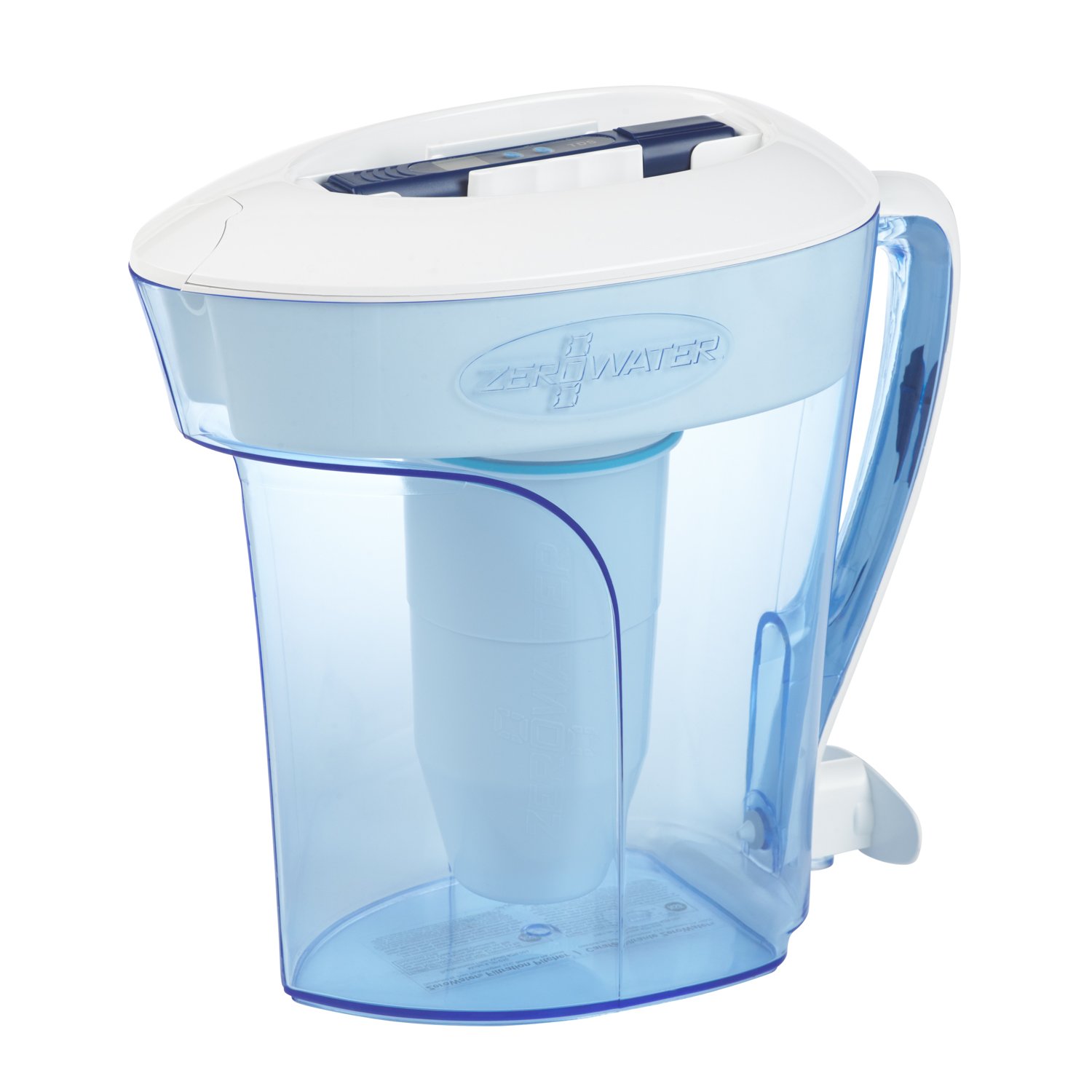
4. ZeroWater 10-Cup Ready-Pour Pitcher, Score: 78/100
NSF/ANSI 53 certified for lead and chromium-6. PFAS removal claimed but verify current SKU's certification, it can vary by model. Cheapest entry point. Best budget pitcher (but verify your model).
Match the filter to your water
- Lead is your main concern (older home, pre-1986 plumbing, fetal exposure): under-sink or RO is gold standard. Pitchers with NSF 53 work too.
- PFAS is your main concern (check EWG Tap Water Database for your zip): AquaTru or Aquasana Claryum.
- You rent: AquaTru countertop or Clearly Filtered pitcher.
- Budget under $50: ZeroWater pitcher (and verify the SKU's PFAS certification).
Pro tips
- Replace filters on schedule. A used-up filter can release contaminants it previously captured.
- Filter cold water only, hot water dissolves more contaminants and can damage filters.
- For baby formula after pregnancy: same filter is fine. Don't use distilled water (no minerals).
How we ranked
Composite scoring rubric, see methodology.
Medical disclaimer: Not medical advice. Check your local tap water report (the EPA Consumer Confidence Report from your utility) to know which contaminants to prioritize.