

Affiliate disclosure: We earn a commission on purchases through links on this page.
The Best Pregnancy Protein Powders & Nutrition Shakes
Why your protein needs go up
Pregnancy raises your daily protein requirement to roughly 75–100 grams, about 25–30 grams more than pre-pregnancy. That's the equivalent of an extra chicken breast or a few eggs, every day. Most people don't intuitively eat that much extra, and morning sickness can make protein the hardest macro to keep down.
A pregnancy-safe protein powder is the simplest fix, but the category is full of products that aren't actually safe for pregnancy (lactation-only blends with fenugreek, untested plant proteins, sucralose blends). Worth picking carefully.
What to look for
- Third-party tested for heavy metals. Plant proteins (especially rice and pea) can concentrate cadmium, lead, and arsenic from the soil. Whey is generally lower-risk but still worth testing.
- Stevia or monk fruit sweeteners, generally considered pregnancy-safe.
- Complete amino acid profile (whey, or pea+rice blends), collagen alone is not complete.
- No added "lactation herbs" during pregnancy (more below).
What to avoid during pregnancy
- Fenugreek, common in lactation/milk-supply products. Has uterine-stimulating concerns and is explicitly unsafe in pregnancy.
- Sucralose (Splenda), emerging research on infant gut microbiome effects. Avoid.
- Caffeine blends ("energy protein").
- "Adaptogens" without published pregnancy data, ashwagandha, rhodiola, etc. have no pregnancy safety data.
- Untested plant proteins, choose brands that publish heavy metal testing.
Our top picks
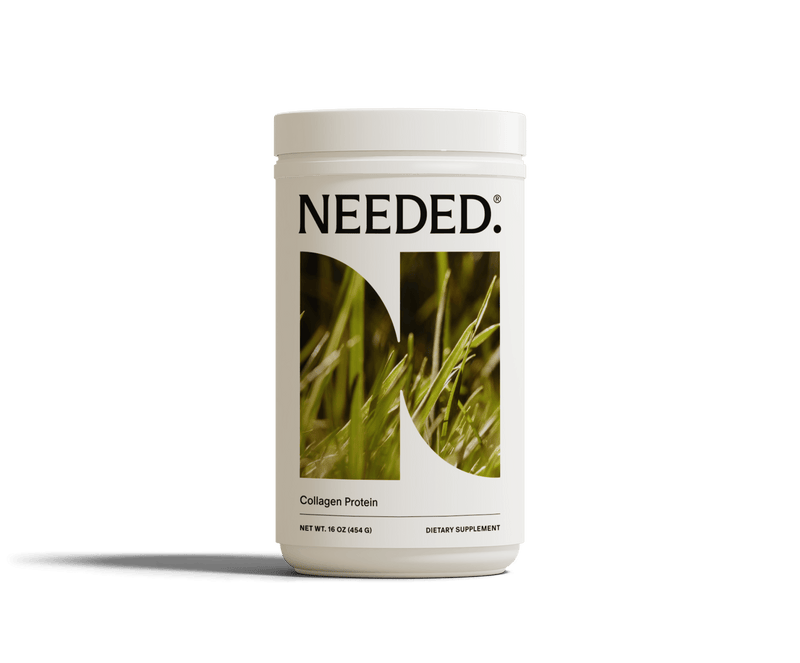
1. Needed Prenatal Daily Collagen Protein, Score: 82/100
Grass-fed bovine collagen, 20 g protein/serving, no sweeteners or flavors. Third-party tested. Mixes into coffee or smoothies. Caveat: collagen is not a complete protein, pair with whey, eggs, dairy, or beans. Best protein add-in.
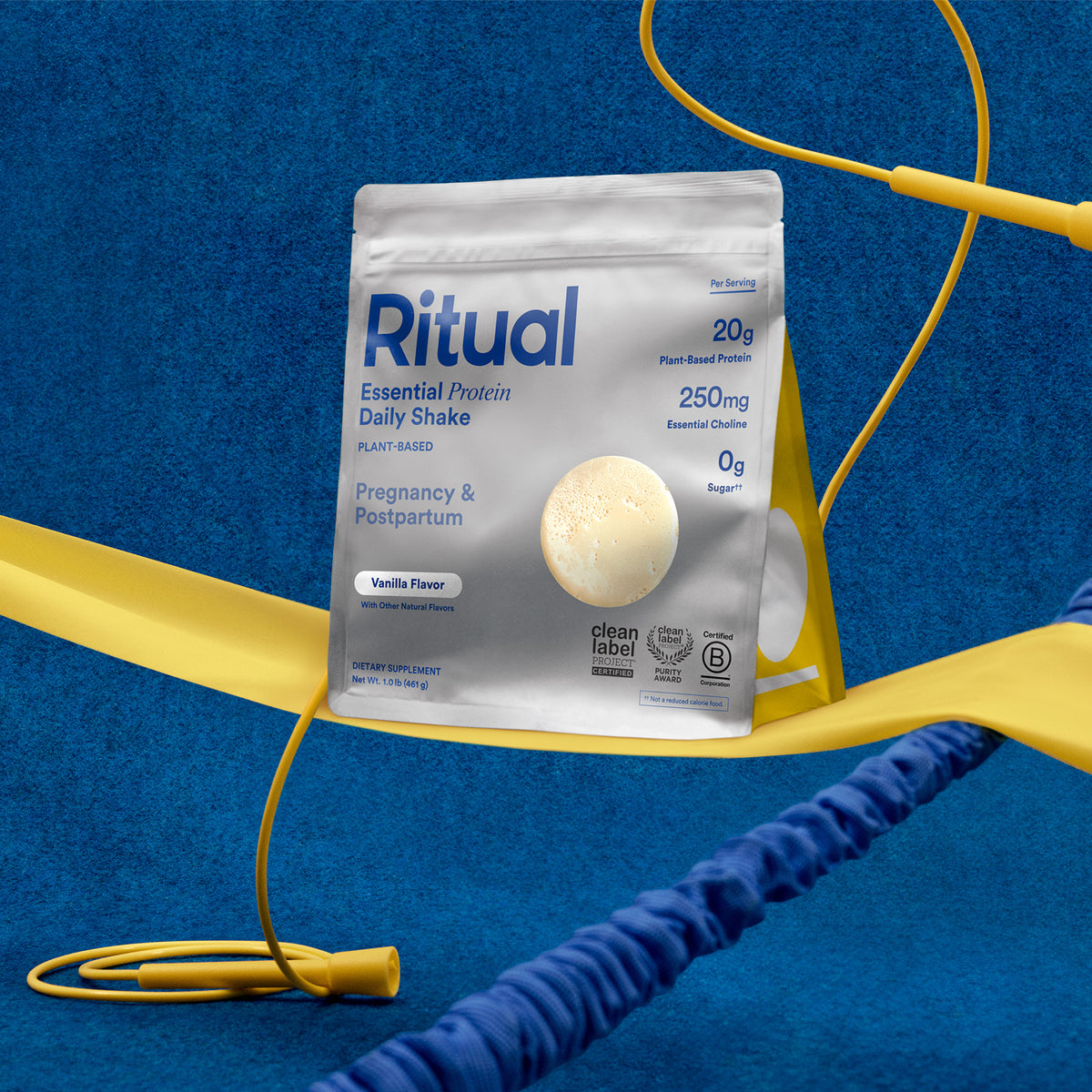
2. Ritual Daily Shake Pregnancy & Postpartum, Score: 80/100
Plant-based (pea + organic rice), 20 g complete protein, with choline and folate built in. Third-party tested, "Made Traceable" sourcing disclosure. Monk fruit sweetened. Best complete pregnancy-formulated shake.
3. Bumpin Blends Smoothie Cubes, Score: 69/100
RD-formulated frozen smoothie cubes, different blends for different trimesters and postpartum. Whole fruits/veg + nuts/seeds, no added sugar. Subscription model. Best for morning sickness and easy meal replacement.
4. Boobie Body Shake, Score: 43/100 (AVOID DURING PREGNANCY)
This is included on the page as a warning, not a recommendation. The formula contains fenugreek, a lactation herb that is unsafe during pregnancy due to uterine-stimulating concerns. It is positioned for postpartum / breastfeeding milk-supply support, appropriate there, not during pregnancy. Save for postpartum if you're breastfeeding.
Other safe protein sources you don't need a powder for
- Greek yogurt (20g per cup)
- Eggs (6g each, and great choline source)
- Cottage cheese (14g per half cup, easy on nausea)
- Edamame (17g per cup)
- Sardines (23g per can, plus omega-3s and calcium, low-mercury fish)
If you can hit your target on food alone, you don't need a powder. The shake is just for the days when you can't.
A note on collagen
Collagen is having a moment for "skin elasticity in pregnancy." The evidence is moderate at best, but it is safe, it's protein, and many people enjoy it in their morning coffee. Just remember it's incomplete (missing tryptophan), pair it with other protein sources.
How we ranked
Composite scoring rubric, see methodology.
Medical disclaimer: Not medical advice. Some popular protein and lactation products contain herbs that are unsafe during pregnancy, read labels carefully.