



Affiliate disclosure: We earn a commission on purchases made through links on this page. Rankings are not influenced by commission rates.
The 5 Best DHA & Omega-3 Supplements for Pregnancy
Why DHA matters during pregnancy
DHA (docosahexaenoic acid) is the omega-3 fatty acid most directly linked to fetal brain and eye development. The American Pregnancy Association recommends 300 mg or more of DHA daily during pregnancy and breastfeeding.
Here's the issue: most prenatal multivitamins don't include enough DHA, Ritual's prenatal includes 350 mg (rare); most others have 50–150 mg or none at all. So unless your prenatal explicitly delivers ≥300 mg DHA, you'll likely need a separate fish oil or algae oil supplement.
What to look for
- DHA ≥ 300 mg per daily serving (clinical target).
- Third-party tested for mercury, PCBs, and dioxins, these are the contaminants fish oils can carry.
- IFOS 5-star certification (International Fish Oil Standards) or equivalent independent testing.
- Triglyceride form (more bioavailable than ethyl ester), many brands now use it but most don't say.
- Sustainable sourcing, wild-caught small fish (anchovies, sardines) or algae-based.
What to avoid
- Vague "omega-3 blends" that don't specify DHA milligrams.
- No published third-party test data. Fish oils are the highest-mercury-risk supplement category.
- Vitamin A as retinol added to fish oil (cod liver oil products can have this, check the label carefully).
Our top picks
1. Nordic Naturals Prenatal DHA, Score: 93/100
The category default. 480 mg DHA + 205 mg EPA per serving. Wild-caught fish, third-party tested for mercury/PCBs/dioxins, IFOS 5-star. Citrus flavor reduces fish burps. Best overall.
2. WeNatal Omega DHA+, Score: 82/100
Highest DHA in the category at 600 mg. Designed for couples trying to conceive (both partners' DHA matters). Third-party tested. Premium price, brand-direct only. Best if you want the highest DHA dose.
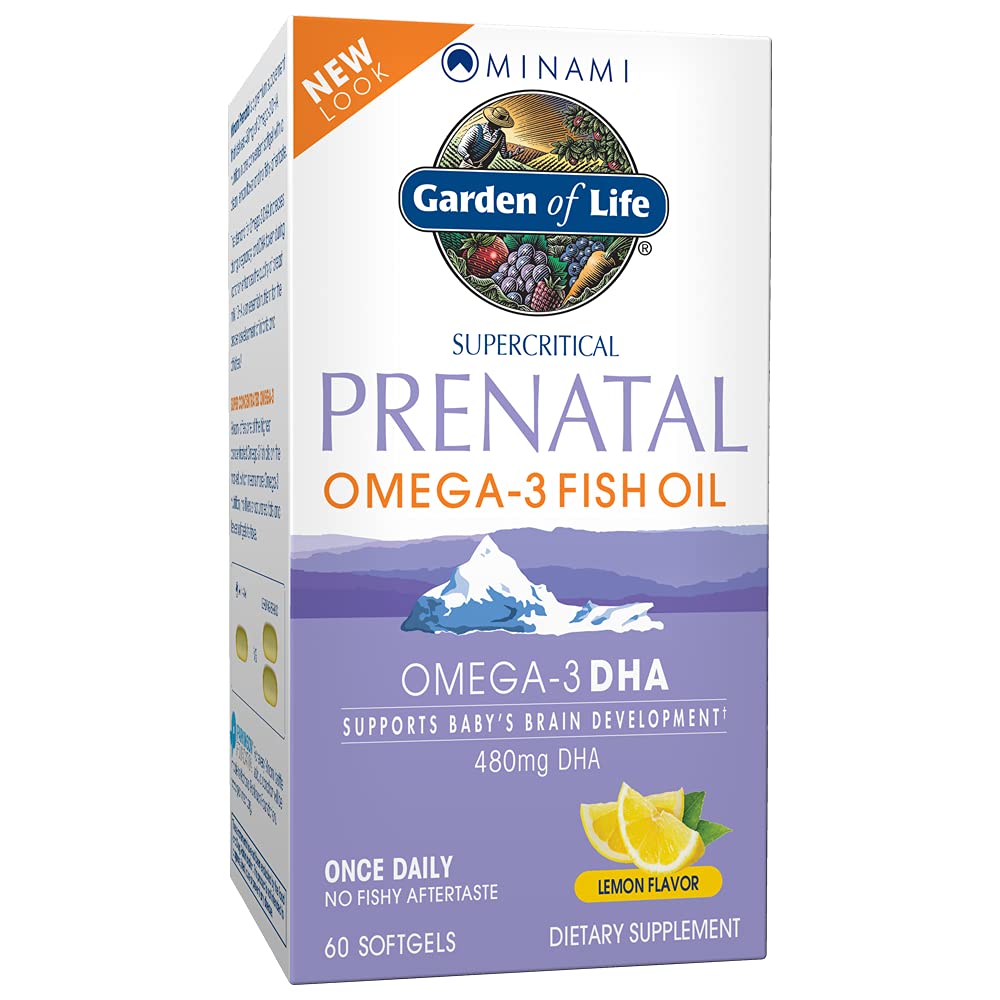
3. Garden of Life Prenatal DHA, Score: 81/100
One softgel a day, simplest dosing of the bunch. 480 mg DHA. Lemon-flavored. Widely available on Amazon. Best for one-pill-a-day simplicity.
4. FullWell Women's Prenatal Fish Oil, Score: 81/100
480 mg DHA + 240 mg EPA. Designed to slot into FullWell's prenatal stack (their prenatal intentionally has no DHA so you can dose it independently). Best if you're using the FullWell prenatal.
5. Freshfield Prenatal Vegan Omega-3 DHA, Score: 76/100
Algae-derived DHA, the only vegan option in our top picks. 220 mg DHA per softgel (take two/day to hit the 300+ mg target). Third-party tested. Best for vegan pregnancies.
How much DHA should you actually take?
- 300 mg/day: minimum recommendation from APA.
- 500–600 mg/day: the dose most clinicians recommend for active brain development support.
- Above 1,000 mg/day: only with clinician approval, higher doses can affect blood clotting.
A note on cod liver oil
Cod liver oil is rich in DHA, but it's also high in vitamin A, in the retinol form, which is teratogenic above ~5,000 IU/day. Unless your brand explicitly states retinol levels are pregnancy-safe, stick to fish or algae oil, not cod liver oil, during pregnancy.
Quality red flags
- Burping a fishy smell hours after taking it = oxidized oil (bad). Switch brands.
- A label that says "1,000 mg fish oil" without telling you how much is DHA = skip it.
- No published lab tests on the brand site = skip it.
How we ranked
Composite score weighting: lab verification (30%), ingredient hazard (25%), multi-source consensus (15%), reviews (10%), commission (10%), price (5%), transparency (5%). See methodology.
Medical disclaimer: This article is for informational purposes only and is not medical advice. Always consult your obstetrician or midwife before starting any supplement.